

Share this article
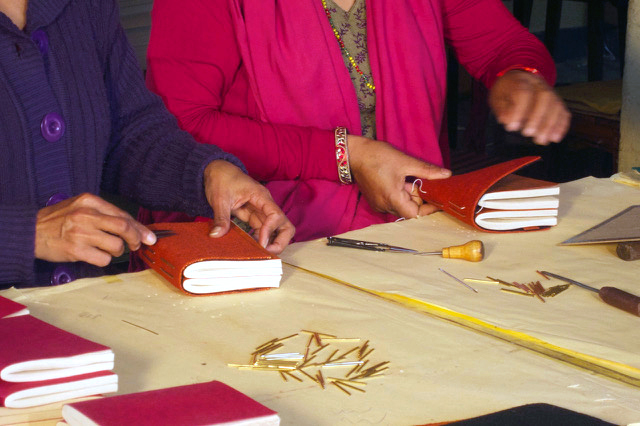
When something ‘handmade’ is presented to me, I am automatically trying to imagine the person doing it, the place of work, the type of scene, the landscape. It is this connection that we get through sustainable handmade designs that is something special and unique as opposed to mass-produced and/or machine made.
Just like we feel the love and warmth when someone prepares a home made meal for you; in the same way when we buy an object made with love and care we are connected to the person in some form or other. This human connection is what drives my creations from design inspiration, design process, production and to its final touches.
Where does this connection come from?
Human Connection
From a single object, our minds can imagine the person who made it, connecting with him or her and the ambience of their place of work. It extends to their culture and traditions and the place of where the raw materials are extracted and processed. It can go back centuries to the makers’ ancestors who passed on their trade and skills – this is pure craftsmanship.
Creators and makers that produce items by hand pour their heart and soul in each process of production. The final product being the result of “hundreds of hours of experiments and failures, months of frustration and moments of joy. You’re not buying an item, you are buying a passion, a moment of a person’s life.” (Unknown source)
Sense Stimulation
Senses are alive. And it is in objects that are alive, are our senses stimulated. This is especially true for me when an object holds beautiful imperfections. It is a sign of human touch, life, history, tradition, and nature. It gives the object its particularity; it is one of a kind. A reminder that nothing is constant, just as nature: alive, moving, evolving.
This feeling of life and connection to other humans and their lineage is lost when items are machine made. Instead of embracing beautiful imperfections we have moved into machine made perfection losing the natural elements, the human elements and with this any genuine and authentic connection we once sought after. In the same way on the digital front, a digital graphic designs mimicking handwriting with fonts replaces pen to paper. When was the last time you experienced the nostalgia and heart warming sensation when receiving a letter in the post (as opposed to utility bills only!)?
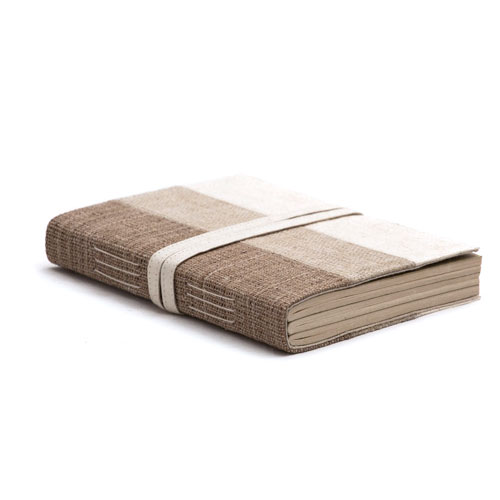
The Jumla Journal is a perfect example of experiencing nature through texture. The journal cover holds the sustainable fibres from Himalayan Nettle, Hemp and Daphne. Available at Positive Luxury.

“To banish imperfection is to destroy expression, to check exertion, to paralyze vitality.”
When I run my fingers across a handmade weave from natural plant fibres I feel as though it was just taken out of the forest by a local living in the Himalayas and given to me by hand. When creating my designs I try to use the most sustainable plant fibres and when put together create a magical sensation. For example in this journal you can see three natural materials all with their unique textures that play together and spark a nostalgia, taking us back to nature.
care for the environment
When a handmade product is made from the most natural materials, it goes without saying that we as conscious consumers would like to ensure that the source of the raw material was not harmed. It instils a sense of peace within us knowing that no harm was done to any forest or animal in the extraction of the raw material. Similarly we feel calm and peaceful to know that the maker manufacturing the product did so in good conditions and is happy, pouring his heart and years of practice into something made just for you.
Positive feelings of care and liveliness appear in authenticity. It is in authentic objects, people and places do we feel mostly connected, balanced and as though we are exactly where we are supposed to be.
To me, sustainability has to rise form a place of authenticity. From the wellbeing of the farms, the manufacturers, the retailers, our ecological and social environment as well as the improving the lives of our consumers is what attains to a sustainable practice.
When we care for the environment, when we preserve nature with its liveliness, when we care for other human beings and animals, we can feel the balance in our life and the positive results of our interactions. Positive actions and positive feelings and intentions do make the difference. It help me to feel more in touch with myself and with others, my relations become more authentic, I feel I am in the right place.
art matters
Works of art matter; they speak to us in a way that nothing else does.
A work of art is not only aesthetic but it brings some kind of balance often in unexpected ways. It can bring new feelings we have not experienced before, because it is creative and and often unexpected, it touches us more.
We might like or dislike art expression, but in any case, it raises change in our state of emotional or mental reaction.
Read what our customers say about art:
“It is hard to figure out how art really impacts you emotionally but it does on all levels. It is a trigger that one is sensitive to, something that you absorb through the senses, visually through a painting, or image, sound through a melody, smell and taste, they are all triggers and then opens our emotions.”
“Works of art can remind us of our true nature; our vulnerability, our life, our feelings, our depth. It can expand our awareness, bringing a unique experience.”
“A work of art appeals on an emotional level because it tells a story and there is always some kind of magic when something can be felt instead of being told.”
“An art piece can provoke your emotions, it inspires and allows your imagination to dance freely having no structure, no confinement.”
What has your experience been with sustainable handmade designs? Do you feel the same emotions arising?
We'd love to hear from you! Leave a comment or join us on Instagram
About Marina Vaptzarova
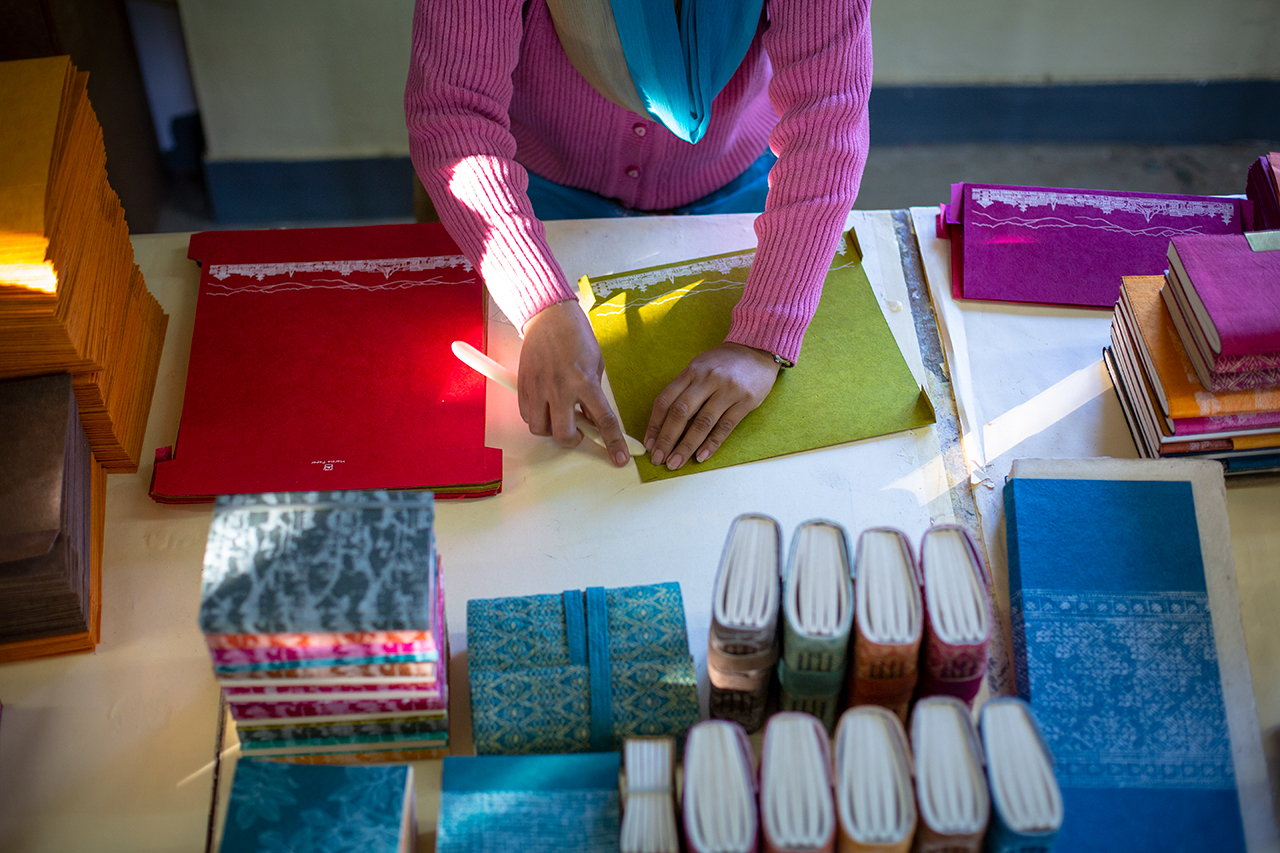
Designing and creating conceptions has been part of her professional life for over 25 years. During this period, Marina revisited the traditional raw materials, craftsmanship and skills of Nepal and transposed these into contemporary design handicrafts and accessories. Her designs are fully experienced by the customer and play a prominent role in addressing the needs of the hospitality sector.
Marina Shrestha is a specialist consultant designer for interior handmade accessories in the hospitality sector, particularly in the luxury boutique segment. She also provides consultation on product development for handmade crafts.
Share this article